
2026-10-11 ·
How Windstorms Damage Roofs in Renton
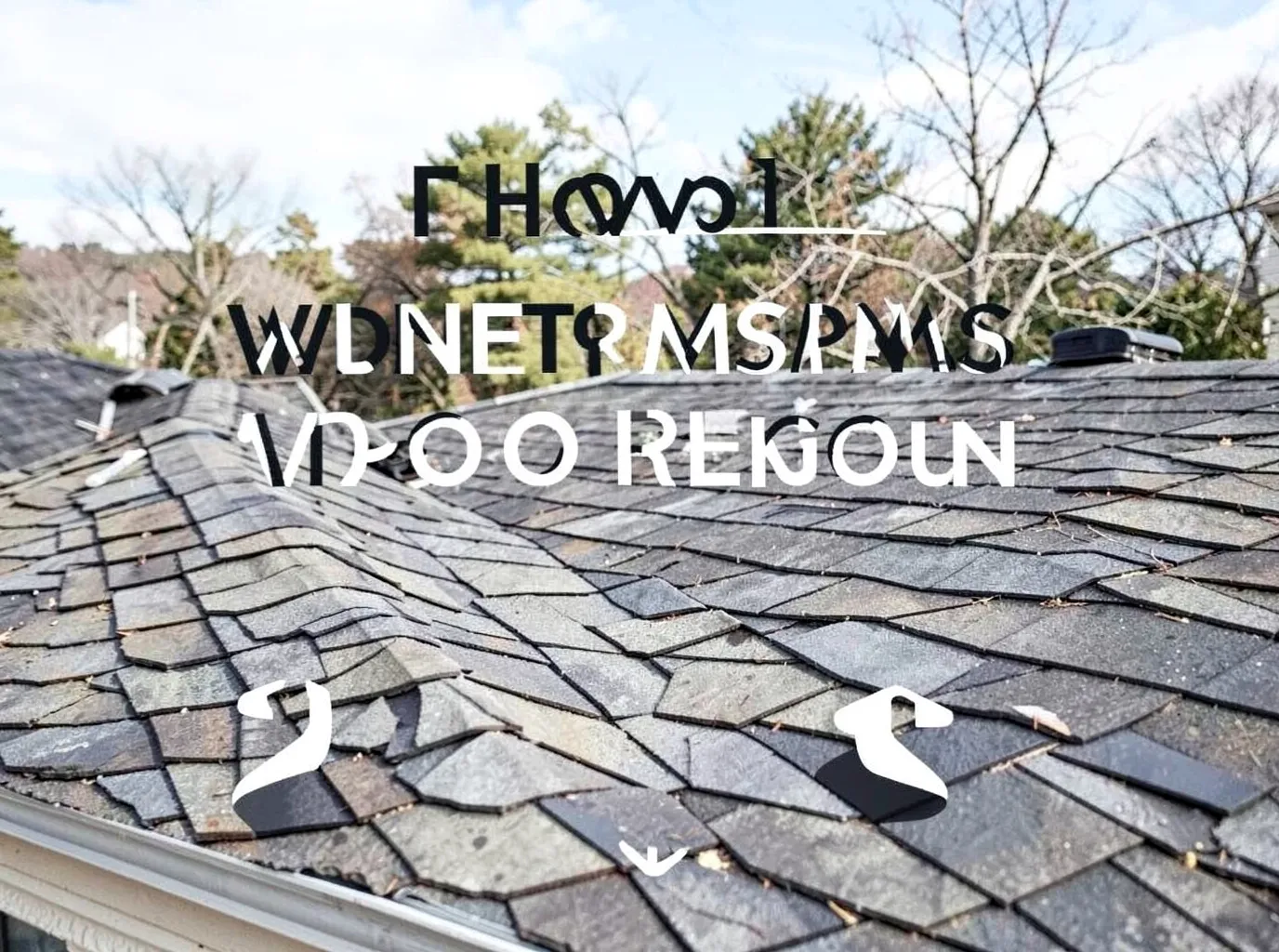
Windstorms in Renton damage roofs most often by lifting asphalt shingles along the edges and ridges, tearing metal flashing around chimneys and vents, and cracking brittle underlayment that has aged through repeated wet winters in King County. These failures allow water to reach the decking within hours when gusts exceed 40 mph, particularly on homes in Benson Hill and Kennydale where mature trees channel wind.
Shingle Lift and Tear Patterns
Asphalt shingles on homes built in the 1970s and 1980s in Talbot Hill and the Highlands lose their seal tabs first when sustained winds hit 35–45 mph. Once the tabs release, the wind catches the leading edge and peels entire courses upward, exposing felt or synthetic underlayment that then flaps and rips. In Downtown Renton, where many roofs face south toward the Renton Boeing Plant, prevailing storm winds from the southwest accelerate this process because the roof planes sit perpendicular to the gusts. After the wind passes, the lifted shingles rarely reseal, leaving gaps that let the next rain event drive water under the remaining courses and into the attic.
Flashing Failures Around Penetrations
Step flashing along sidewalls and counter flashing at chimneys pull free when wind-driven rain saturates the sealant beneath the metal. In neighborhoods like Kennydale near Lake Washington, older brick chimneys with mortar joints that have weathered decades of freeze-thaw cycles give the flashing even less grip, so entire pieces of metal lift and sail away. Once flashing moves, water follows the nail holes straight into the sheathing. Homes in Benson Hill on sloped lots experience the same issue at skylights because wind funnels up the hillside and creates localized pressure differences that pry the flashing loose.
Interaction With Wet Winter Conditions
Renton's mild oceanic climate keeps roofs saturated for weeks at a time, so when a windstorm arrives the wood decking is already soft. Wind-driven rain then penetrates any new opening within minutes rather than hours. In the Highlands and Talbot Hill, where many roofs are 25–35 years old, the combination of moss-weakened shingles and saturated sheathing turns a moderate wind event into widespread leak points. Nearby Bellevue and Seattle see similar patterns, but Renton's proximity to the lake adds extra humidity that keeps the roof deck wet longer after each storm.
Post-Storm Leak Entry Points
After wind passes, the most common leak locations are ridge vents that have been pried open, valley flashing that has buckled, and eave edges where gutters have been twisted. Water then travels laterally along the decking before dripping into ceilings in living areas below. Residents in North Renton and Earlington Hill often notice stains first in upstairs bathrooms because those rooms sit directly under the steepest roof planes that catch the strongest gusts.
For immediate protection after visible damage, many homeowners review the steps in Temporary Roof Leak Fixes: Tarping & What NOT to Do before calling a crew. When the wind event also brings widespread shingle loss across multiple neighborhoods, Wind Damage Roof Repair crews focus first on securing exposed decking and replacing lifted flashing. Checking Renton Seasonal Roof Maintenance Checklist (Spring/Fall) each October helps catch loosened fasteners before the next winter storm season arrives.